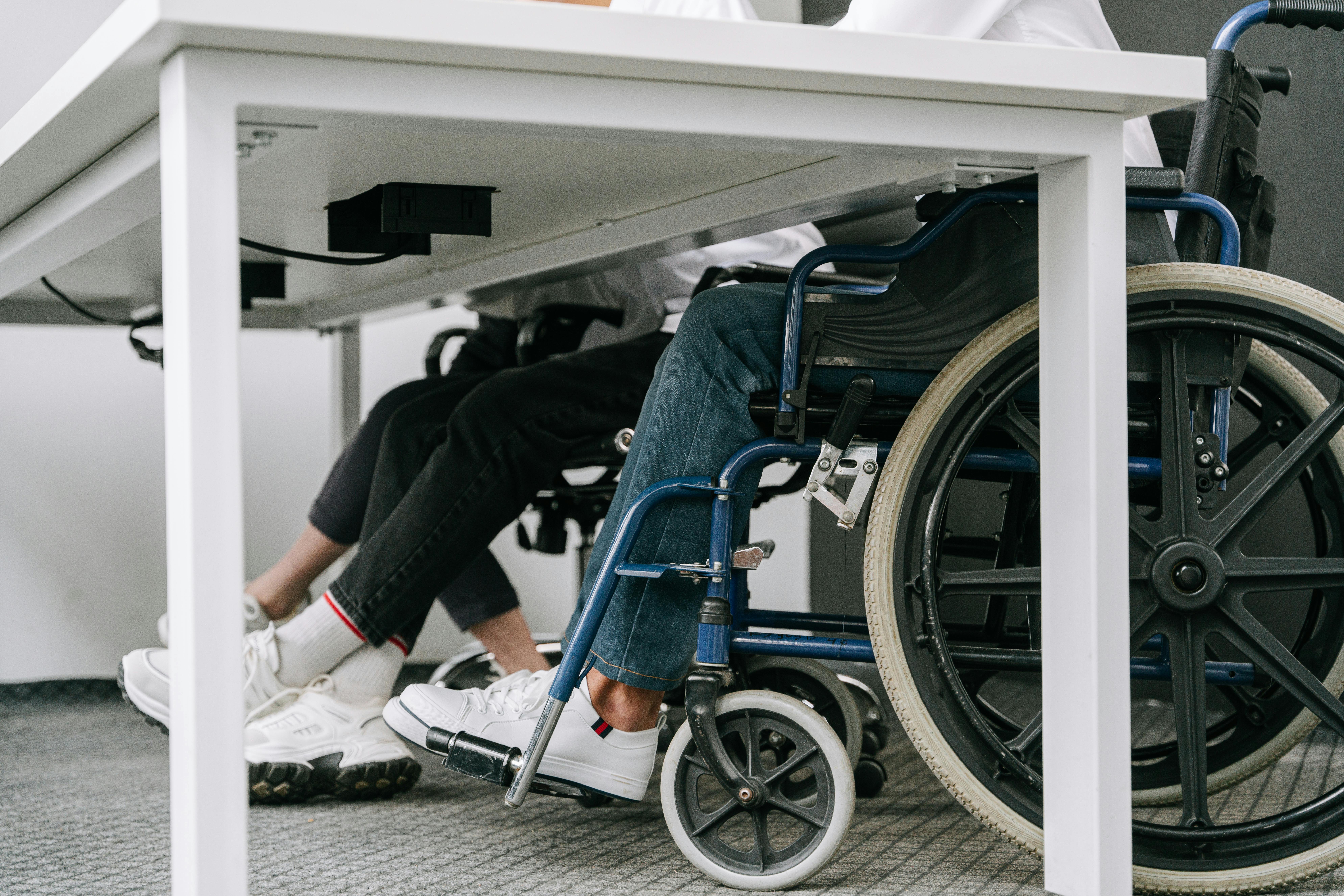
Disability & Injury Support Services
At Silverline Care we provide personalized, in-home support for individuals living with physical disabilities, cognitive challenges, or recovering from injury or illness. Our goal is simple: help people live safely, independently, and with dignity in their own home.
How We Support People with Disabilities or Injuries (Real-Life Scenarios)
1. After Surgery or Injury
A client returning home after a hip replacement or injury may need:
- Help getting in and out of bed safely
- Assistance with bathing and dressing
- Meal prep while mobility is limited
- Transportation to physiotherapy
Silverline ensures recovery happens safely at home, reducing risk of falls and hospital readmission.
2. Living with a Physical Disability
For individuals with conditions such as spinal cord injuries, MS, or mobility limitations:
- Daily personal care and hygiene support
- Transfer assistance (bed, wheelchair, shower)
- Home setup support for accessibility
- Scheduled routines that promote independence
This type of one-on-one care allows individuals to maintain independence instead of institutional living, which is a key benefit of in-home disability care.
3. Cognitive or Developmental Disabilities
For clients with autism, brain injuries, or developmental conditions:
- Structured daily routines
- Supervision for safety
- Assistance with life skills (meals, hygiene, organization)
- Emotional and behavioural support
We focus on consistency, safety, and dignity, while supporting family involvement.
4. Chronic Illness or Long-Term Conditions
For clients managing ongoing health conditions:
- Medication reminders and monitoring
- Meal planning aligned with dietary needs
- Energy conservation and pacing activities
- Ongoing support to prevent decline
Care is adapted over time as needs change.
5. Family Relief (Respite Care)
Families often carry the full weight of care. We step in to:
- Provide temporary or ongoing relief
- Maintain continuity of care routines
- Reduce caregiver burnout